Blog > You Don’t Need a Perfect House to Sell Well in Chicago
One of the biggest misconceptions I hear from Chicagoland homeowners is that a home has to be fully updated or “perfect” to sell well. For someone who has lived in the same house for decades, that can make selling feel like a much bigger undertaking than it needs to be. You look around and see an older kitchen, original windows, a basement full of belongings, and a growing list of things you think buyers will expect you to change. Before long, getting the house ready starts to sound like renovating the entire property.
In most cases, that isn’t where I would start. A home can be dated and still sell well. What matters is understanding its condition, helping buyers see what it offers, and choosing preparation and pricing that make sense for that particular property.
Dated and poorly maintained are different things
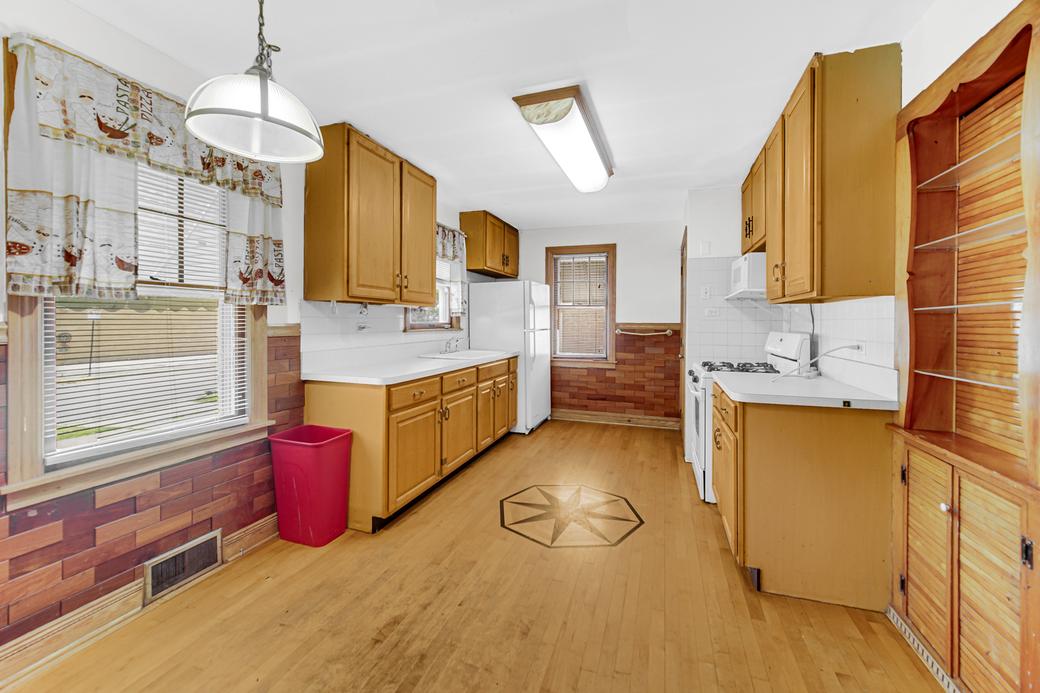
An older kitchen isn’t necessarily a bad kitchen. The cabinets may be solid, the layout may work well, and everything may function as it should. A buyer might eventually want different countertops, but that doesn’t automatically mean the seller should replace them. The same is true of an older bathroom, original wood trim, or finishes that are no longer fashionable.
What can be more distracting are the things that make buyers question how the home has been cared for: a leaking faucet, a loose toilet, stained ceilings without an explanation, broken light fixtures, or a yard so overgrown that it’s difficult to see the house. Those details can shift the conversation from “I could update this over time” to “What else will I need to take care of?” That’s why I want to separate what is simply older from what needs attention before recommending where a seller should spend money.
Needing work doesn’t mean an investor is your only option
Some homeowners assume that because their house needs paint, flooring, or other cosmetic work, they have to sell it quickly to an investor for cash. But a dated kitchen or worn carpeting doesn’t automatically limit you to that route. Buyers may be willing to make those changes themselves when the home’s condition and price make sense.
Selling “as is” also isn’t the same as selling to an investor. As is describes the terms of the sale, not the condition of the home or who can buy it. A well-maintained home can be offered as is, and a home needing cosmetic work may still attract buyers using financing, depending on the property and loan requirements.
A direct cash sale can make sense, but it’s worth comparing your options before deciding. Part of my job is helping you understand how much preparation is actually necessary, what each approach involves, and what you might keep from the sale.
Sometimes the best updates won’t show up in the photographs
In Chicago and the surrounding suburbs, preparing a longtime home for sale often means looking beyond the finishes. Depending on the property, there may be a lead water service line, galvanized plumbing, older cloth-covered wiring, a sewer line with cracks or an invasion of tree roots, or aging heating and cooling equipment. Those are different questions from whether the kitchen looks current.
I don’t assume these conditions are present in every older home, or that every older component needs replacement. I want to understand what has already been updated, what problems are known, and where a qualified professional’s evaluation would help. If there’s a cracked sewer line or an unreliable heating system, I would want to understand that situation before recommending new countertops. A cosmetic improvement may make the listing photos more attractive, while addressing a significant condition issue may do more to help a buyer feel comfortable taking on the home.
An older furnace, boiler, or air conditioner also deserves more than a glance at its age. Has it been maintained and serviced? Is it operating properly? Have there been recurring problems, and do you have service records? A dated service invoice, repair receipt, or maintenance history provides more useful information than simply saying, “It’s always worked fine.” Maintenance records don’t guarantee future performance, but they give buyers a clearer picture of how the home has been cared for.
If you’re unsure about the equipment’s condition, having a qualified professional evaluate it can help you decide whether servicing, a repair, or replacement deserves a place in the preparation budget. The same thoughtful approach applies to original windows. Before assuming they all need replacement, consider their condition and operation, possible repair options, the cost, and how that project fits the overall selling plan. The goal isn’t to replace everything that has some age to it. It’s to make informed decisions about where your money will do the most good.
Buyers need to be able to see the home
In a longtime home, belongings can become a bigger obstacle than dated finishes. Furniture accumulates, a spare bedroom becomes storage, and the basement holds things nobody has needed to make a decision about for years. Buyers may have trouble appreciating a room’s size or layout when they can’t move through it comfortably or see how it functions.
That doesn’t mean stripping the house of everything personal. It may mean removing an oversized piece of furniture, clearing counters, opening up pathways, or reducing what is stored in a room. A clean, orderly space allows buyers to focus on the layout, natural light, and way the home functions instead of being distracted by everything around them.
I personally handled cleanup at a property where the unfinished basement was used for laundry and storage. The preparation included scraping, patching, paint, and cleanup. We weren’t trying to turn it into a finished basement. We were helping buyers see the useful space that was already there. That distinction matters because you don’t always need to create something new to improve how a home is presented.
A preparation plan has to work for you, too
“Declutter and make repairs” sounds simple until you’re the person responsible for doing it. If the house holds decades of belongings, start with a manageable area and separate what you want to keep from what can be sold, donated, recycled, or discarded. You don’t have to make every decision in one weekend. If you’re downsizing, consider what will fit in the next home before paying to move it. If you’ve already moved out of state, identify who can provide access, coordinate services, and check that the work is complete.
The right plan also needs to account for available money, physical help, and timing. A list of improvements isn’t particularly useful if the seller has no practical way to carry it out. Part of my job is helping identify what needs to happen and how it can realistically get done.
Before recommending a project, I want to know what it will accomplish. Will it address a known problem, help buyers understand the space, or improve the way the home shows? Or is it an expensive change that a future owner may want to do differently anyway? Sometimes a thorough cleaning, selected repairs, and better furniture placement are enough. Sometimes a larger project deserves consideration. In other situations, selling in the current condition and pricing accordingly may be the most practical choice.
Those decisions should also reflect the homes buyers will compare yours with. A preparation plan for a Chicago bungalow may look different from one for a condominium or a suburban split-level. What I don’t want is for a seller to spend months and thousands of dollars working through a renovation list before we’ve discussed whether that work makes sense.
You don’t need to have the house finished before we talk, every belonging sorted, or every repair priced. If you’re thinking about selling a longtime home in Chicago or the surrounding suburbs, contact me to talk through where to start. You don’t need a perfect house. You need a thoughtful plan for the home you have and the move you want to make.
Ashley Dirks | REdefined Living Chicago | Fathom Realty
Real Help. Real Results.